


On the eve of Onam, a 45-year-old female resident lay shivering in the back, drifting into consciousness as loved ones transported her to a healthcare facility.
Just days earlier, the individual, who made a living producing fruit juices in a village near Malappuram, had experienced nothing more serious than dizziness and hypertension. Medical professionals recommended pills and sent her home. But her state spiraled with alarming pace: discomfort turned into fever, high temperature to severe chills, and on the main festival day, she was dead.
The culprit was Naegleria fowleri – referred to as the brain-destroying organism – a condition commonly ingested through the nose in freshwater and extremely uncommon that most doctors hardly come across a case in their professional lives.
Within the state in the current period, above 70 individuals tested positive and a number of lost their lives from the deadly organism. Cases have ranged from a baby to an elderly person.
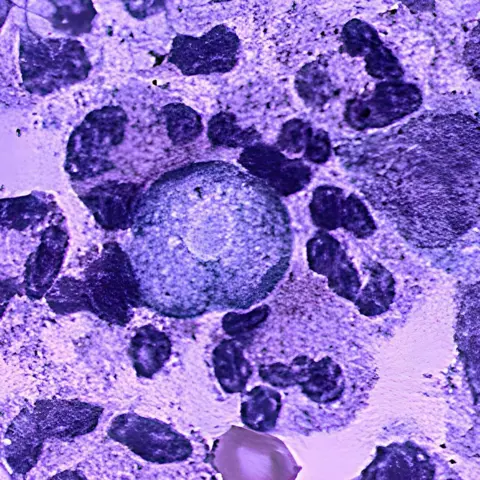
Usually consuming bacteria in heated natural water, this amoeba triggers a often deadly neurological disease, known as primary amoebic meningoencephalitis (PAM). It infiltrates via the nasal route during swimming and swiftly destroys the cerebrum.
The state first recorded cases in recent years, just one or two a annually, and up until now almost every case were lethal. A latest study has shown that merely 488 cases have been recorded globally since the mid-20th century – primarily in the United States, Pakistan and Oceania. And almost all of the victims have passed away from the condition.
But in Kerala, recovery appears to be getting better: last year there were 39 infections with a twenty-three percent death rate, and this year, about 70 instances have been identified with about a similar death rate. Physicians explain the increase in numbers reflects improved diagnosis, thanks to state-of-the-art labs.
"Cases are growing but deaths are decreasing. Aggressive testing and timely detection have enhanced survival – a method unique to Kerala," commented a leading infectious diseases doctor.
Timely identification permits personalized care: a multi-drug regimen of amoebicidal drugs and steroids aimed at the amoeba can improve survival.
Scientists have identified about 400 species of free-living amoebae, but only six are identified as cause disease in humans – such as Naegleria fowleri and Acanthamoeba, each of which can infect the brain. In Kerala, medical facilities can now diagnose the several key infectious strains, officials state.

The region's significant dependence on well water and ponds causes it to be especially at risk, given that many water sources are contaminated. A small cluster of cases previously, for example, was linked to people vaping an mixture diluted in non-potable water – a risky practice that highlights how contaminated water can serve as a route for infection.
The state has almost 5.5 million borewells and numerous ponds – and millions draw their drinking water from wells exclusively. That pervasiveness prevents authorities to treat water sources as mere "dangers" – they are the lifeblood of life in the region.
"Instances have happened in people washing in ponds, others from recreational water, and also through ablution with water which is a common practice," explains a leading epidemiologist.
Therefore government agencies have attempted to act broadly: in a targeted drive at the recently, millions of wells were disinfected.

Authorities have installed warning signs around ponds prohibiting bathing or swimming and evoked the health regulations to require periodic chlorination of pools and reservoirs. But despite such measures, natural bodies cannot practically be chemically treated – aquatic life would die – and monitoring each village water source in a state of over millions of people is impractical.
Officials now focus on public information over restrictions: households are urged to disinfect water containers, use safe heated water for nasal ablutions, keep children away from irrigation devices and steer clear of unsafe water sources. Bathers are advised to cover their nasal passages by staying upright, using nose plugs and avoiding disturbing debris in stagnant or untreated water.
Still, managing risks between alerting the public about potential threats – of using natural sources – and averting anxiety that could disrupt daily life is challenging. Many {


